The crypto industry is often discussed in terms of individual platforms, exchanges, or tools. In reality, crypto functions as an interconnected ecosystem where different platforms play distinct but complementary roles. Understanding how these platforms work together provides clearer insight into how users interact with digital assets beyond simple buying and selling.
A Modular Design
At its core, crypto was designed to be modular. No single platform is meant to handle every function perfectly. Instead, different tools focus on specific areas such as trading, storage, analytics, payments, or decentralized finance. This separation allows platforms to specialize, innovate faster, and serve users more effectively within their niche.
Exchanges are often the first point of contact for many users. They provide liquidity, price discovery, and access to a wide range of assets. However, exchanges are only one part of the journey. Once assets are acquired, other platforms become relevant depending on the user’s goals, risk tolerance, and level of experience.
Specialized Roles: Wallets, Data, and Payments
Wallet platforms complement exchanges by focusing on asset custody and security. While exchanges prioritize speed and liquidity, wallets emphasize control and ownership. This distinction reflects a core principle of crypto: separating access from custody. Wallets allow users to interact directly with blockchain networks, participate in decentralized applications, and manage assets without relying entirely on third parties.
Analytics and data platforms add another layer to the ecosystem. These tools provide insights into price movements, on-chain activity, market sentiment, and historical trends. By offering transparency and data-driven context, analytics platforms help users make more informed decisions. They do not execute trades or hold assets, but they influence how users interpret market behavior.
Payment and settlement platforms serve a different purpose altogether. They focus on usability, speed, and real-world transactions. These platforms bridge the gap between digital assets and everyday economic activity, enabling transfers, settlements, and conversions that support practical use cases beyond speculation.
The Ecosystem in Action: A Practical Example
To see this modularity in real-time, consider the journey of a single transaction. A user initiates a transfer from a secure wallet or exchange. Almost immediately, the blockchain network broadcasts this intent, and analytics tools detect the movement.
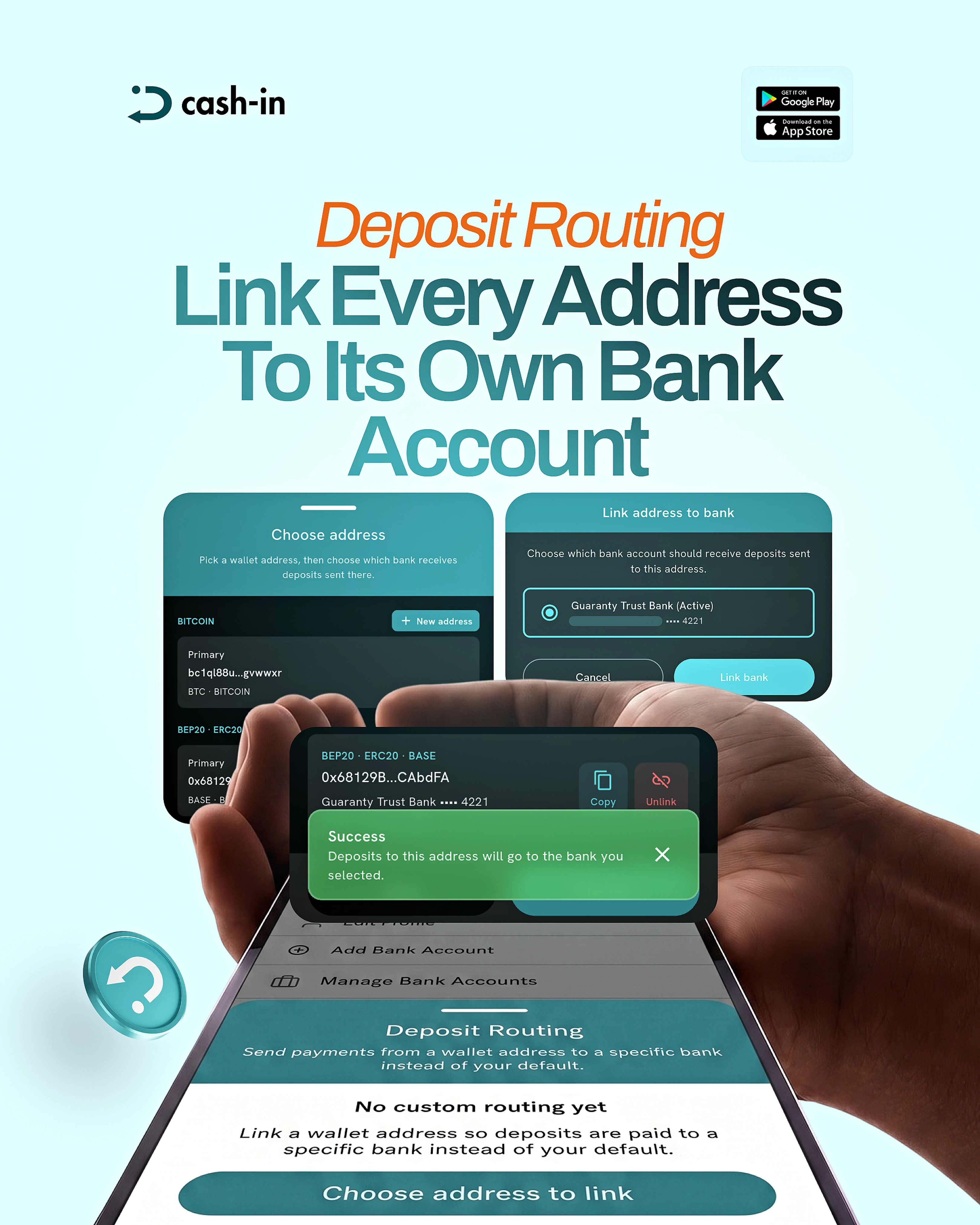
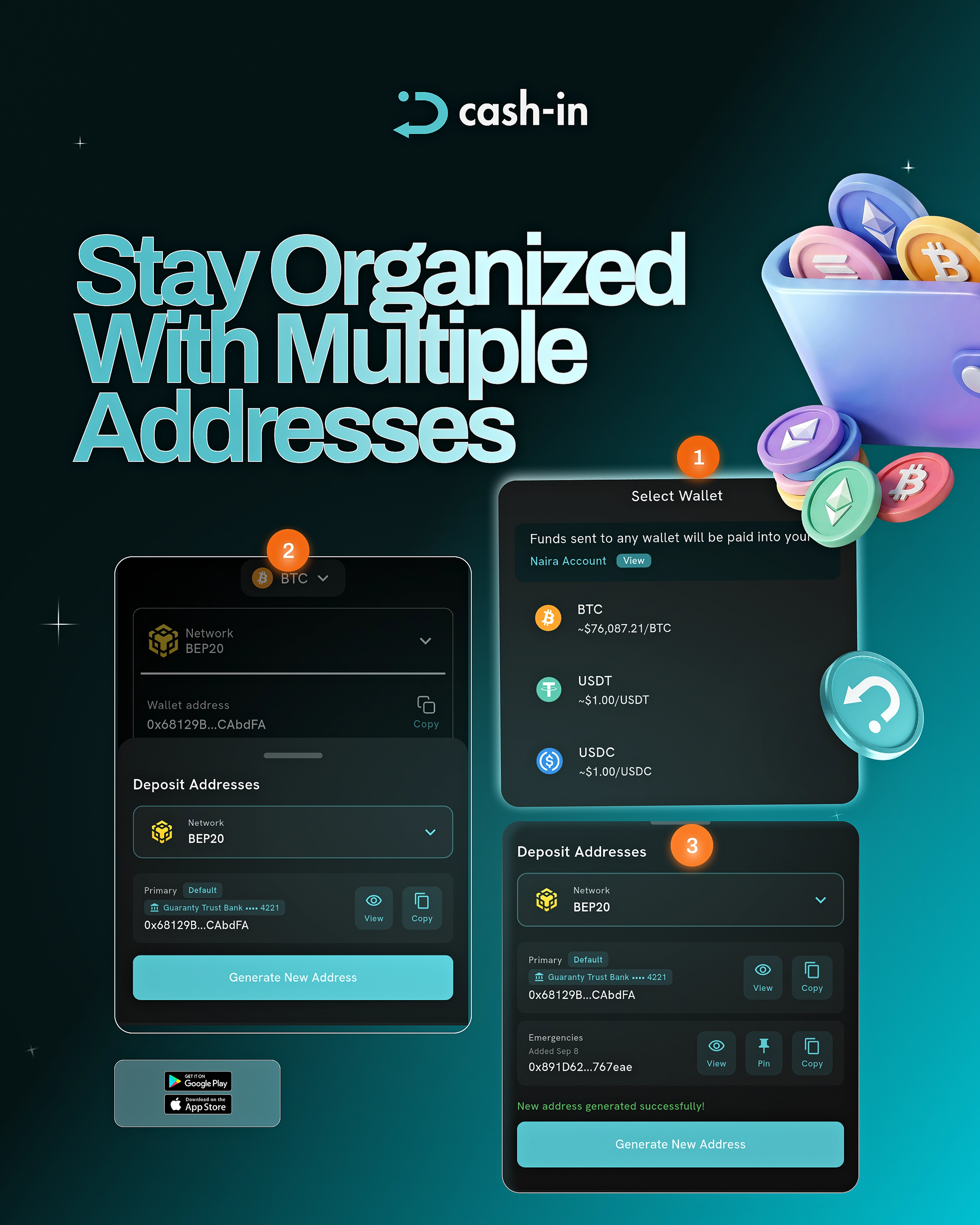
A practical look: a scenario with Cash-in App (a crypto to Naira platform) then picks up this signal. While the blockchain works through "confirmations" to ensure the transaction is irreversible, Cash-in app sends a notification: “coin detected, awaiting blockchain confirmation to initiate payment to your bank.” Once the final block is confirmed, the system triggers an instant payout in local currency (Naira). In this single loop, the user has interacted with custody, network security, data monitoring, and financial settlement; all working in perfect, automated harmony.
Resilience Through Interconnection
Decentralized finance (DeFi) platforms further expand the ecosystem by offering services such as lending, borrowing, staking, and liquidity provision. These tools operate without traditional intermediaries and rely on smart contracts instead. DeFi platforms complement centralized services by providing alternative ways to deploy capital and participate in financial activity within the crypto space.
Each category addresses a specific function, but none operate in isolation. A single user may interact with multiple platforms across different stages of their crypto activity. This interconnected usage is not a flaw in the system, but a reflection of its design. Specialization allows innovation to happen in parallel rather than being constrained by a single framework.
The complementary nature of crypto platforms also reduces systemic dependence. When tools serve different roles, users are less exposed to the limitations or failures of any single platform. This distributed approach aligns with the broader principles of decentralization and resilience that underpin the industry.
Conclusion
Crypto operates as an ecosystem of specialized platforms, each contributing a distinct function to the broader market. Exchanges, wallets, analytics tools, payment systems, and decentralized applications work together to support different user needs.
Understanding how these platforms complement one another provides clarity in an industry that can often feel complex. As crypto continues to evolve, this interconnected structure remains a defining feature, enabling flexibility, innovation, and adaptation across the market.